Triathlon measures pure endurance across three disciplines, and its barrier to entry is high because of swimming skill and equipment logistics. HYROX combines strength and endurance in the same race, can be prepared for in a single gym, and its weekly training load is noticeably lower. The backbone of the decision: if you're willing to spend hours running, cycling and swimming, triathlon; if you also enjoy lifting weights and are short on time, HYROX is a better fit.
The character of the two sports: what do they measure?
Triathlon tests the aerobic engine in three different movement patterns. Swimming is technique-heavy, cycling is equipment-heavy, and running is the fatigue-heavy leg. The winner is the athlete who is good enough at all three and makes clean transitions. There's a strength requirement, but it's indirect; nobody wins a triathlon on heavy lifting capacity.
HYROX, on the other hand, tests the aerobic engine in a single movement pattern (running) but inserts heavy work in between. You run 1 kilometer eight times, and each run is followed by a station in a fixed order: 1000 m SkiErg, 50 m sled push, 50 m sled pull, 80 m burpee broad jump, 1000 m row, 200 m farmers carry, 100 m sandbag lunges and 100 wall balls. So what's being measured isn't being strong, but being able to produce strength while fatigued.
This distinction directly shapes preparation. Triathlon prep is built on volume; HYROX prep on the balance between volume and strength. If you want to see this balance on the HYROX side in detail, our hybrid training guide explains the logic.
Comparison table
| Criterion | HYROX | Olympic-distance triathlon |
|---|---|---|
| Number of disciplines | Running + 8 functional stations | Swim, bike, run |
| Setting | Indoor hall | Open water, road, course |
| Typical duration | 60-130 minutes | 2.5-3.5 hours for most amateurs |
| Weekly preparation | About 4-6 hours | About 8-12 hours |
| Strength requirement | High and direct | Moderate, supportive |
| Equipment cost | Low | High (bike, wetsuit) |
| Technique learning time | Short | Long (especially swimming) |
| Weather dependency | None | High |
The most misleading row in the table is duration. Because HYROX looks short, people assume it's easy; in fact, the intensity per unit of time is much higher. A 90-minute HYROX is raced at a higher average heart rate than a 3-hour triathlon. To see the target time framework, check the finish times analysis for more.
Time budget: the most decisive practical difference
For a working adult with a family, the real constraint isn't ability but the calendar. In triathlon prep, fitting three disciplines into the week is mandatory; you need pool time for swimming, a safe route for cycling and separate sessions for running. Once commuting time is included, the weekly total easily exceeds 12 hours.
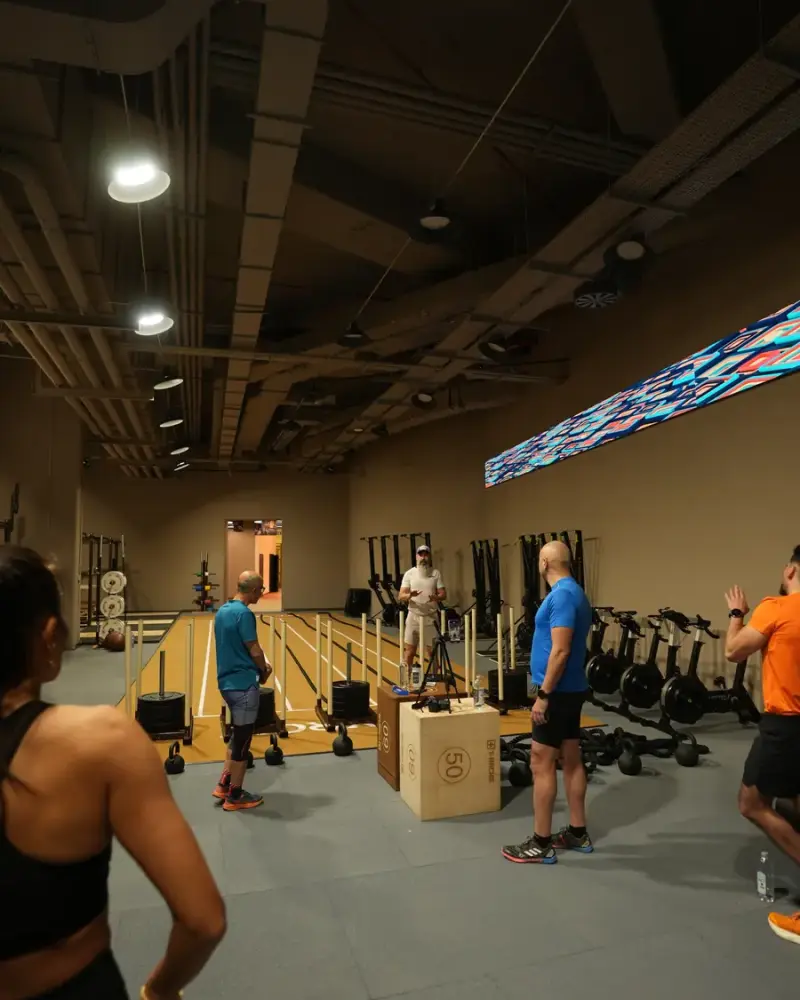
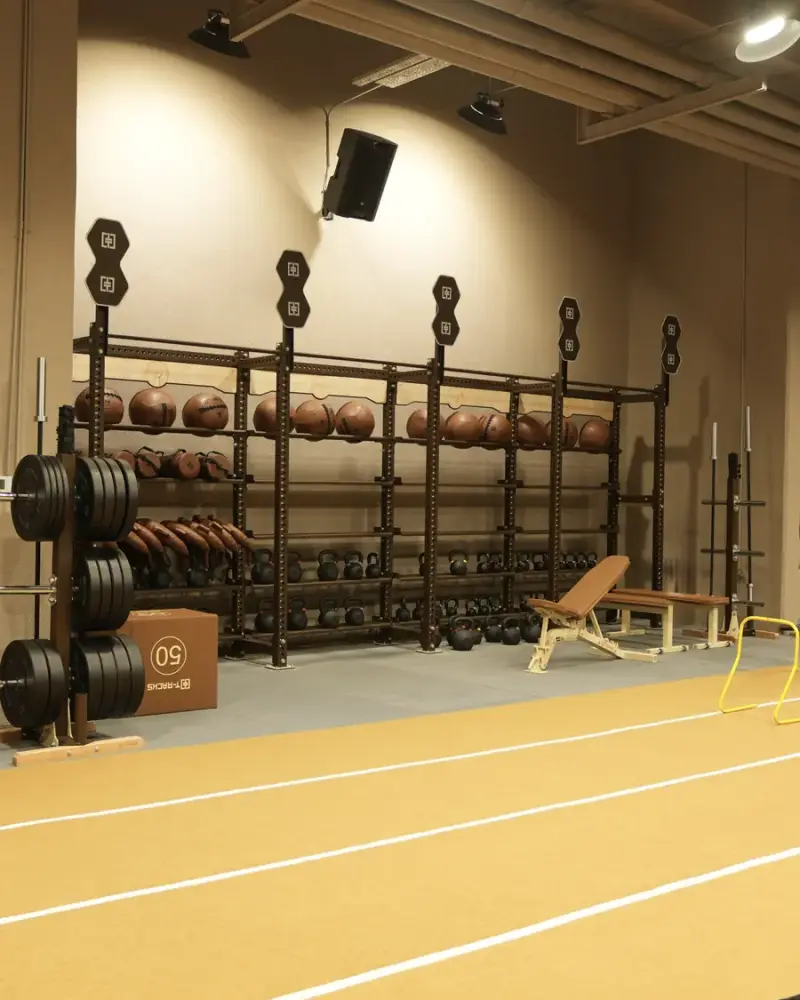
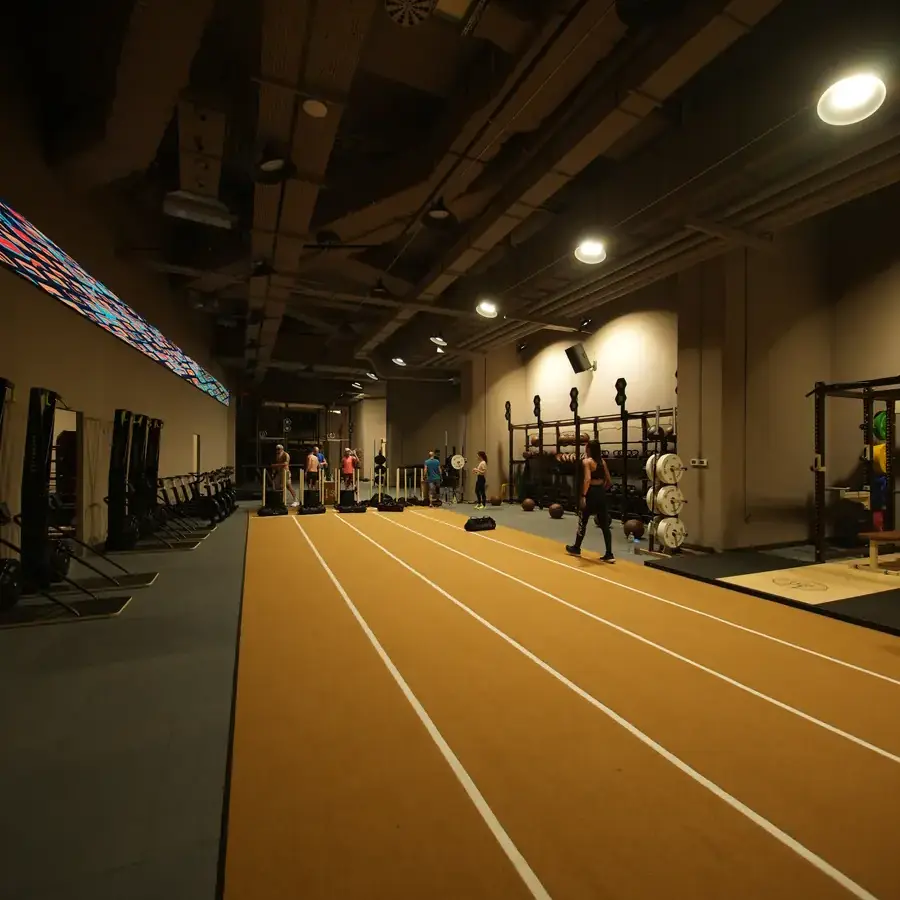
In HYROX prep, a single venue is enough. Serious preparation can be done with four sessions: one strength, one interval, one long low-intensity run and one station/simulation session. 4-6 hours in total. This is a decisive advantage in a city like Istanbul where commuting eats up time; our weekly plan for office workers, which tackles the topic with concrete plans, shows how to work within this constraint.
If your time constraints are even tighter, structures concentrated on the weekend also work. Our weekend warrior program explains the limits and method of progressing with two or three sessions a week.
What happens when a triathlete switches to HYROX?
When athletes with a triathlon background switch to HYROX, they experience a surprising picture. They're comfortable on the running legs; with their high aerobic capacity, eight kilometers doesn't scare them. But on the sled push they hit a real wall for the first time.
The reason is clear: triathlon optimizes the body to work for a long time against low resistance. Short, maximal power production against high resistance simply isn't in their training. The result is losing unexpected time at the sled stations and legs emptying quickly on the wall balls.
The solution is just as clear: don't try to increase running volume in the first eight weeks of prep and devote your energy to strength instead. Squats, deadlifts, single-leg work and carries close this gap. For sled-specific preparation Sled Push technique and for grip, grip exercises are directly applicable resources.
What if a HYROX athlete switches to triathlon?
The reverse direction is harder, and the only reason is swimming. The running base largely transfers; cycling can be brought to a sufficient level in a few months for someone with aerobic capacity. Swimming, however, is a technical skill and can't be substituted with strength. A good strength profile doesn't make up for poor swimming technique; in fact, excessive upper-body mass can be a disadvantage in the water.
A practical roadmap: two swim sessions a week for six months, at least one of them technique-focused with an instructor. By the end of this period, most athletes can safely complete the open-water distance. On the cycling side, shifting part of the low-intensity volume used in HYROX prep to the bike is enough; the contribution of cycling the article discussing it is useful for this transition too.
Injury risk and recovery
The most common complaints in triathlon are related to repetitive loading: Achilles and calf problems, front-of-knee pain, lower back and neck tension on the bike, shoulder impingement in swimming. The risk comes from high volume.
In HYROX, the risk comes from high load and technical breakdown. Calf tightness after the sled push, front-of-knee discomfort after sandbag lunges and shoulder fatigue from accumulated wall balls and SkiErg are typical. Most of these are preventable with volume management and technique; when loading piles up, a deload week is the most effective intervention. Our deload week guide explains the timing.
The same rule applies in both sports: sharp pain concentrated in one spot that doesn't go away for days isn't normal training fatigue. In this situation, the right step is to see a doctor or physiotherapist rather than changing your program on your own.
Cost and logistics
The hidden cost of triathlon is equipment. The bike, helmet, wetsuit, pedals and maintenance add up to a serious budget; transporting and storing the bike is another issue. Race entries are also usually more expensive, and since most events are out of town, accommodation gets added.
In HYROX the list is short: suitable shoes, light clothing and preferably thin gloves. Preparation runs on a gym membership. There are still race entry and travel costs, but the equipment line is almost nonexistent. What you need to bring our equipment and clothing list clarifies.
The same athlete's split distribution in both races
The most concrete way to understand the load of the two sports is to look at how the time is distributed. In triathlon, the overwhelming majority of the time is a single continuous effort; swimming is usually a small slice of the total, cycling the largest slice and running the most fatigued slice. Transitions are on the order of minutes and have a small effect on the total.
In HYROX the picture is completely different. Roughly half the time is running, half is stations; on top of that, the Roxzone transition area alone makes up a noticeable slice of the total. Losing thirty seconds at each of eight transitions adds up to more than four minutes, and this is the item amateurs overlook most often. So while gains in triathlon come from engine capacity, in HYROX a significant part of the gain comes from organization, meaning how you move.
The practical consequence of this difference: in triathlon, lowering your time almost always requires more training. In HYROX, the first way to lower your time is usually not more training but better decisions: the right pace, the right split scheme, efficient transitions. Improving these three items gains you minutes without adding weeks of extra volume. Our Roxzone guide details how transition efficiency works, and our pacing strategy covers the pace side. With the same logic, a significant drop in your second race is possible for most athletes; our second race article shows where this gain comes from.
Decision: three questions, three answers
To clarify your choice, answer these three questions in order. How many hours a week can you commit? If it's under six hours, HYROX is practically the only reasonable option. Is swimming an obstacle for you? If so, triathlon requires a six-month upfront investment. Do you enjoy lifting weights? If you do, HYROX turns that interest directly into performance; if you don't, the stations may feel like a constant chore.
Doing both in the same year is possible, but choosing a main goal is essential. Chasing two different adaptations in the same period ends with falling short on both; the mechanism behind this phenomenon our interference effect article explains it. If you want to build a plan that fits your schedule, the class schedule you can take a look, and to clarify your goal with a coach contact page .
Which is easier, HYROX or triathlon?
How easy it is depends on your background. For someone who can't swim, triathlon's barrier to entry is high; for someone not used to carrying heavy loads, HYROX's sled and wall ball sections are challenging.
Can a triathlete succeed at HYROX?
With high aerobic capacity, they have an advantage on the running legs. But a separate strength block is essential for the sled push, farmers carry and wall balls.
Which one takes less time per week?
HYROX. Structured prep can be done with about 4-6 hours a week, while Olympic-distance triathlon prep rises to 8-12 hours for most athletes.
Can I do both in the same year?
It's possible, but you need to choose a main goal. Chasing two goals in the same period causes strength and endurance adaptations to wear each other down.
A stronger version of you.
Just one step away.
24 hours from your first message to your first session. Let's build your program together — reach out on whichever channel suits you.
Weekdays 06:00 - 23:00