An unexpected situation mid-race will, no matter how well you prepare, come up sooner or later in every serious race. Problems such as a muscle seizing up, nausea, an untied shoelace or a slipping grip can change the course of a race. What separates an advanced athlete is not that problems never appear but how they react when they do. This article offers a calm decision framework for likely problems.
Classify the situation first
Splitting problems met during a race into three classes makes quick decisions easier:
- Performance problems: situations that can continue but lower efficiency, such as a sense of cramping, heavy fatigue or lost rhythm.
- Gear problems: mechanical and fixable situations such as a loose shoelace, a slipping glove or a dropped watch.
- Health problems: situations that need attention, such as chest pain, dizziness, blurred vision or a severe stomach crisis.
Health problems are entirely different from the other two. When you feel such a symptom, the aim is not to protect performance but to protect yourself; slow down, stop and ask officials for help.
Running through this classification in your head once before the race saves time at the moment of trouble. A tired mind struggles to tell what kind of problem it is facing and treats everything with the same seriousness. Yet a shoelace problem and chest pain do not go through the same decision process. Having separated them in advance makes it easier to give the right reaction at the right time. It is also good preparation to tell your teammate or the people close to you in which situations you will ask for help.
Muscle seizing and the feeling of cramp
A cramp is often sudden and painful, but sometimes it comes only as a warning that a muscle is starting to stiffen. Catching this warning early often prevents a full cramp. The moment you feel it, slow the movement, take a position that gently lengthens the muscle if possible and regulate your breathing. Lowering effort one notch can stop the muscle fibers from continuing to contract.
Causes of cramps vary from person to person; fatigue, heat, lack of preparation and irregular movement patterns are among them. Long simulations in the weeks before the race help muscles get used to this load. If cramps come repeatedly, consult your physician or a sports professional after training.
To reduce the risk of cramp, do not skip your race-day warm-up. Preparing the muscles enough prevents sudden loading in the first stations. Also take regional warnings into account during the race: the calf, thigh or hand muscles are usually the first to give warning. When these warnings come, switching to a technique that does not overload that muscle, for example shortening the stride in running or changing the hold in gripping, often prevents the cramp.
Stomach discomfort
Nausea or a feeling of fullness is the most common result of trying a new food or drink on race day. A nutrition routine tested beforehand reduces this risk. When the stomach becomes sensitive during the race, lowering effort level lets the stomach direct blood flow to digestion. Drinking water in small sips and breathing slowly and deeply is often enough.
If the urge to vomit intensifies, switching to a bit of walking on the run or taking a short break at a station helps you regain control. This is not quitting the race but entering the next section healthily. In severe or persistent stomach trouble, stopping the race may be the right decision.
In the last two days before the race, do not try new foods, do not take caffeine beyond what you are used to, and eat breakfast on race morning at the time you are used to. These rules are simple but the most often broken. Because sweat loss increases in a hot environment, keeping fluid intake regular in the days before the race is also important; but the right amount varies from person to person, so clarify your nutrition plan with a professional.
Gear problems: solving them quickly and calmly
Gear problems are usually easy to solve but grow with panic. If your shoelace comes undone, instead of trying to tie it while running, a short stop to tie it cleanly generally costs less time. That is why tying shoes with a double knot before the race and tucking the lace ends in is a good habit.
The same logic applies to gloves, watch bands or clothing problems: either solve the problem immediately or leave it to the next suitable break, but do not spend energy by thinking about it constantly. Race rules determine what equipment may be used; check the current rules before the race.
A very useful gear check during the race can be a quick scan made at every station transition: laces, gloves, watch, clothing. This scan takes two seconds and prevents a small problem from growing. Where carrying spare items is possible, for example a spare hair tie or lace, this can be considered within the race rules.
Another practical point in stomach trouble is the amount of fluid taken during the race. Drinking too much water creates fullness in the stomach, while too little raises the risk of cramps and fatigue. Learn your own thirst signals in training and move by small sips according to them in the race. Finding out in advance at which points in the race there are chances to drink makes your plan easier.
Mind: do not inflate the problem
In a moment of trouble, the mind's first reaction is often catastrophic thinking: the race is over, the goal is lost. These thoughts can cost more time than the physical problem. A simple mental method is to handle the problem in three steps: breathe, name the situation, choose the next small action. For example, "my muscle is stiffening, I will lower effort, I will run slowly for ten steps."
Writing a short scenario for possible problems before the race is also useful. Knowing in advance what you will do when such a problem occurs lowers the decision load on a tired mind. Share these scenarios with your coach or partner.
Part of coping with problems is the post-race review. When the race is over, note the cause of the problem, your reaction and its result. In the next race these notes make you far better prepared. Every problem, read correctly, becomes preparation for the next race.
Rehearsing problems in training
The way to get used to unexpected situations is to experience them in a controlled way. For example, deliberately tying the shoelace loosely during a simulation and retying it, trying a slip while working with gloves or testing race nutrition in different combinations speeds up your reaction. These rehearsals must not be high-risk or dangerous; the aim is to get used to small hiccups.
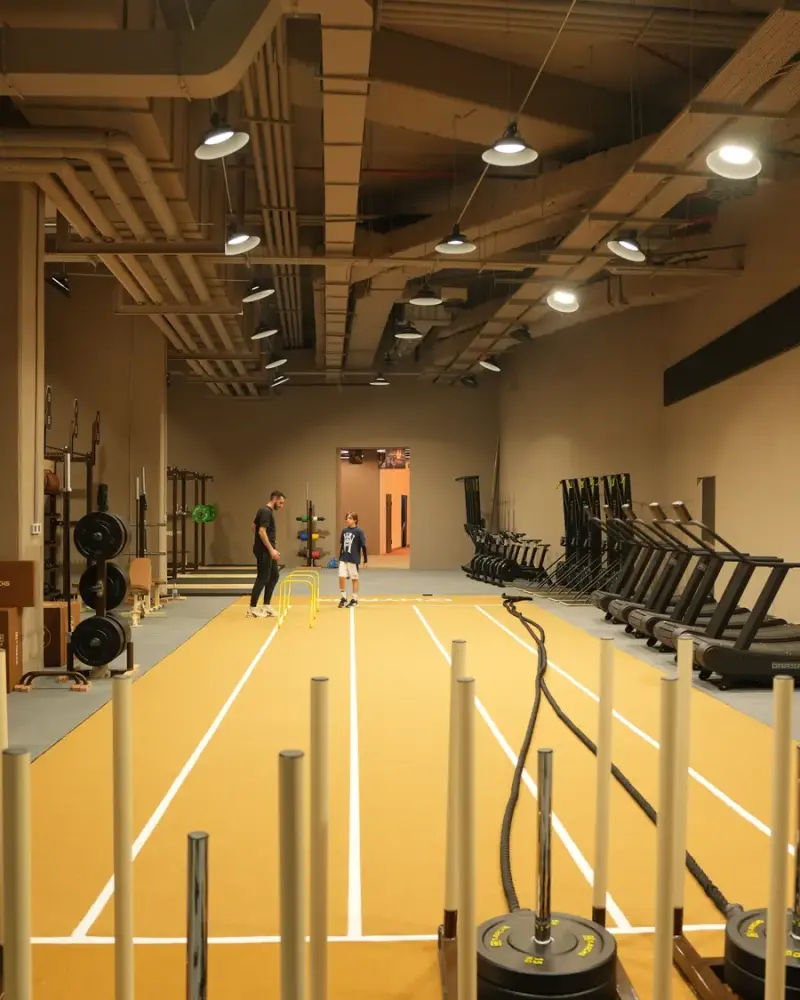
If you train at O'Hybrid Sky in Sarıyer, plan these rehearsals with your coach. Consult your physician about your health before races; symptoms such as chest pain, dizziness or an irregular heartbeat should be taken seriously in training as well.
In short, there is no guaranteed way to prevent problems during the race, but there is a way to prepare. Classifying the problem, taking health signs seriously, developing a calm three-step reaction and simplifying equipment let you finish the race under control even on your worst day. The aim of racing is not to have a perfect day but to be able to adapt to different days.
Recording the problems you faced after the race as a short note prevents repeating the same mistake. Under what conditions did the cramp, stomach or equipment problem appear, and what helped? These notes are the raw material of the next race's checklist.
None of this work gives results in one go; consistency is worth more than brief brilliant sessions. Noting small improvements over the weeks and being patient forms the basis of your confidence on race day.
Frequently Asked Questions
Should I quit the race if a cramp hits?
With a mild sensation of seizing, lowering effort and continuing is often possible. If there is severe pain or persistent contraction, stop and ask for help.
Should I try a new gel or drink in the race?
No. Trying something new on race day raises the risk of stomach trouble. Use only products you have tried in training.
Does stopping for a gear problem lose time?
If the problem seriously affects performance, a short stop to fix it is generally more efficient than continuing with constant discomfort.