Relay team ordering is the most effective strategic decision made during race preparation in the four-person format. Each athlete takes on a particular part of the race, and when that part matches the athlete's strengths or weaknesses, the team gets faster overall. But ordering is not as simple as putting the strongest athlete on the hardest station. Accumulated fatigue, dependencies between stations and the athletes' psychological state during the race must be considered as well. Because the assignment method and format details may change from race to race, read the current guide in advance.
Most teams decide the order a few days before the race, by intuition and the easy route: the best runner first, the strongest athlete on the sleds. Yet ordering can rest on weeks of data. This data is measurable information such as each athlete's single-section times, performance drop with fatigue and recovery speed. A data-driven approach also moves arguments within the team onto an objective ground and makes deciding easier without making anyone feel bad.
Why does the order matter so much?
In relay, each athlete completes not the whole race but particular run and station pairs. This lets an athlete work more aggressively in a single section. But it also magnifies the result of a bad match: if a weak athlete takes on the station they struggle with most, a noticeable time loss occurs in team total.
A good order reduces the team's biggest weakness and maximizes its biggest strength. It is an optimization problem, but as intuitive and human as it is mathematical.
When building profiles, collect not only data from good days but from bad days too. Which station an athlete holds up at even in a session where they struggled is gold-valued information for the team. Also listen to athletes' own preferences: some like certain stations and work more comfortably there psychologically. This preference, though not measurable, is a real factor affecting performance.
Building a profile for each athlete
Before ordering, build a short profile for each team member. A simple table is enough:
- Running capacity: kilometer pace and recovery speed.
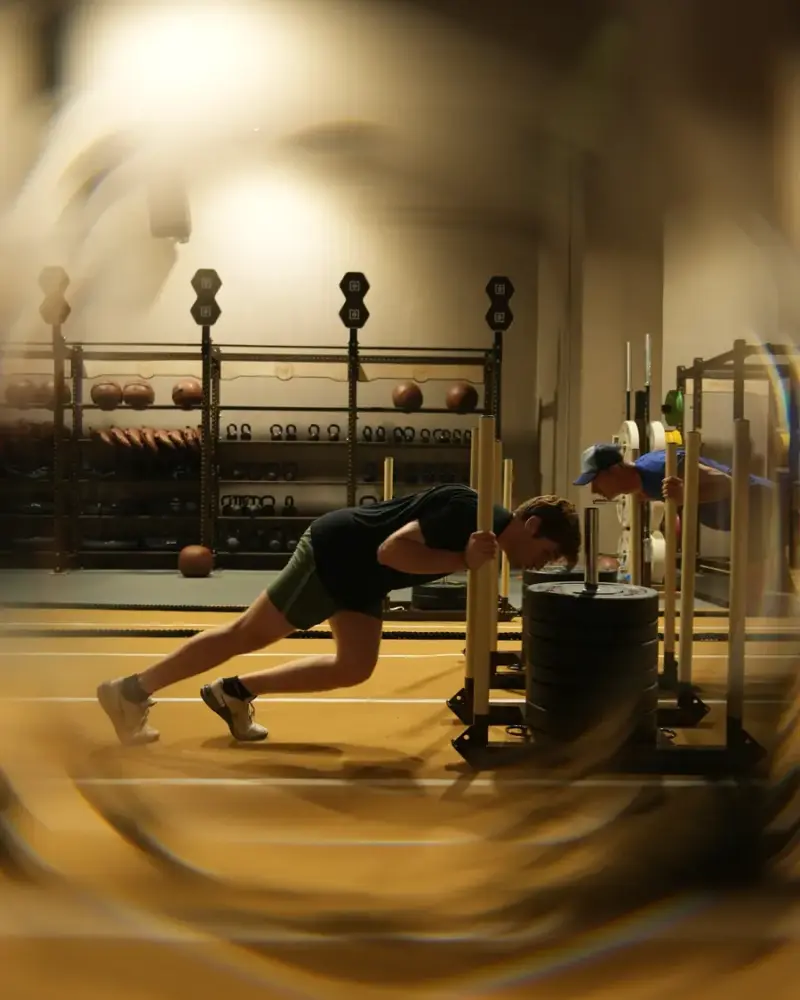
- Strength stations: performance in sled push, sled pull and farmers carry.
- Endurance stations: performance in SkiErg, rowing and wall balls.
- Technical skill: consistency in burpee broad jumps and lunges.
- Psychological resilience: ability to stay calm under pressure and recover from late handoffs.
This profile should be based not on guesses but on simulation data. Everyone's single-station times and run times should be recorded.
When ordering, also consider recovery time between consecutive sections. How much an athlete can rest after finishing the first section before starting the second depends on the format structure. This rest time determines how aggressive the athlete can be in the second section. So the pacing plan for the second section should be adjusted to the fatigue of the first.
The structure of station-run pairs
In relay, an athlete may take on consecutive run and station pairs. The structure of the pairs determines whether an athlete works two consecutive stations or two sections in different places. Consecutive pairs combine similar fatigue types; for example, if the same athlete takes the sled push and sled pull, leg and grip load pile up on one person.
For a very strong athlete this load may be acceptable; for someone else it makes a section needlessly harder. So it is important to distribute the pairs while accounting for their fatigue types. The current format guide explains which sections come with which pairs.
Do not overlook weaknesses either. If there is an athlete on the team who truly struggles at a particular station, you need to distribute that station so that it does the least harm. For example, placing an athlete who struggles with wall balls on a shorter pair, or in an order where they enter that station more rested, reduces the loss. Though fully hiding a weakness is not possible, managing its effect is.
Matching strengths to the hardest pair
A simple principle: put an athlete's strongest area on the pair where the team loses the most time. For example, if an athlete is very good with heavy sleds, giving them these stations gains noticeable time in team total. Likewise, the best runner can be placed on the longest and most tiring run pair.
But this principle has a limit: overloading a single athlete can cause their performance to fall. A good order uses strong athletes on the hardest sections while also protecting fatigue balance.
The ordering decision has a social dimension too. Athletes should find their roles in the team fair and meaningful. No one should feel like a spare part or a burden. Making the decision together with everyone, looking at the data, strengthens team spirit and prevents friction that would create stress on race day.
The first and last section: psychological roles
In the order, the first athlete sets the team's tone, and the last athlete carries the responsibility of finishing the race. The first athlete should be someone who can control themselves in excitement and a crowd; the last, someone who can stay calm under pressure and make up a shortfall if needed. These roles are a matter of character as much as physical capacity.
Some teams give the last section to the strongest athlete, because fatigue and mental pressure are highest in the final section. Others prefer a strong start in the first section. Which is better is team-specific; the best way is to try both options in simulations.
A short review by everyone after the simulation reveals the real effect of the order. Which athlete came out more tired than expected, which handoff was rough, whose pacing plan did not hold? These answers directly guide the next ordering attempt. After a few simulations, for most teams the best order becomes clear by itself.
Testing the order in training
The ordering decision may look safe on paper but can give unexpected results in real race conditions. Suggestions for testing:
- Do a relay simulation with two different orders and compare total time.
- Record each athlete's feeling of fatigue at the end of their section.
- Measure handoff times separately; the order can affect handoff quality too.
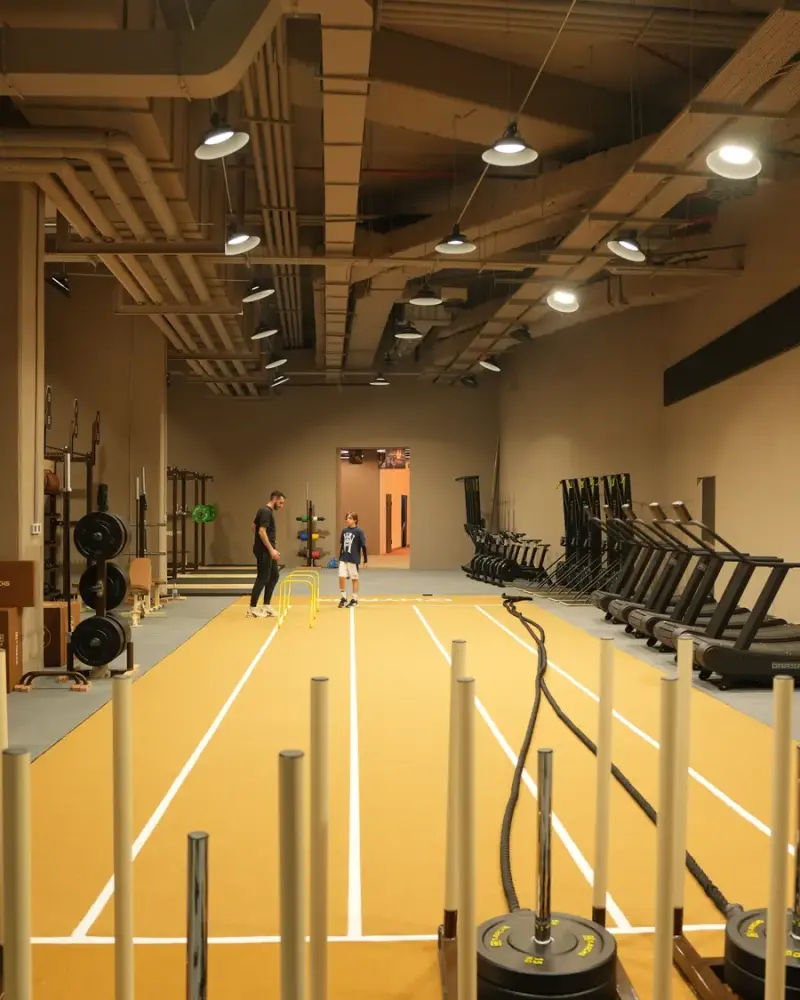
If you train at O'Hybrid Sky in Sarıyer, plan these simulations with your coach. Before intense simulations, every team member should get a physician's view on their health.
In short, relay ordering is not a decision made once and forgotten, but a process fed by data, made together with the team and tested in training. Building profiles, balancing fatigue types and thinking about psychological roles make a four-person team faster than the sum of its individuals.
On race day, turn the order into a short note each athlete carries: who is in which section, where handoffs will be made and critical rules. This note protects details that a tired or excited mind might forget. Finalizing the order as early as possible lets you spend the last week recovering rather than arguing over strategy.
Recording the ordering decision with a written rationale is also useful: why this athlete in this section? Comparing these rationales with the results after the race makes the next ordering decision far more informed.
None of this work gives results in one go; consistency is worth more than brief brilliant sessions. Noting small improvements over the weeks and being patient forms the basis of your confidence on race day.
Frequently Asked Questions
Should the strongest athlete always be last?
Not necessarily. For some teams a strong start may be more valuable. Try both options in a simulation.
Can I change the order on race day?
Rules vary by organization. Check the current guide and learn the rules at the registration stage.
How do I support a weaker athlete?
Try to keep them away from the station they struggle with most and create a clear support plan at the handoffs.