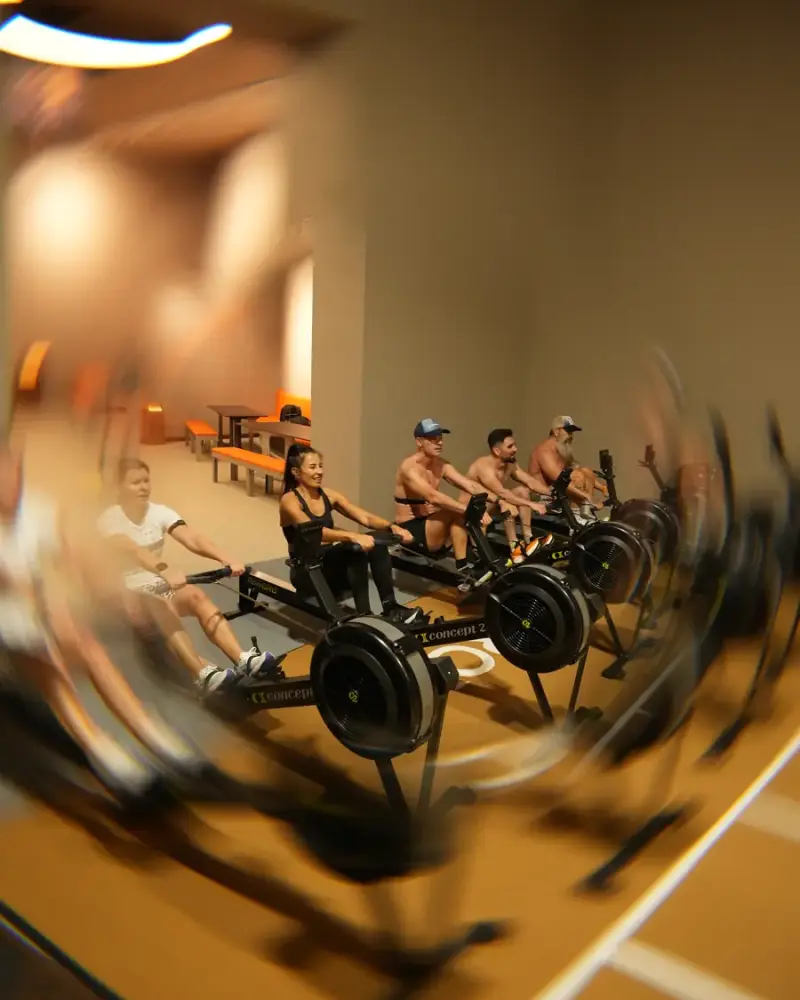
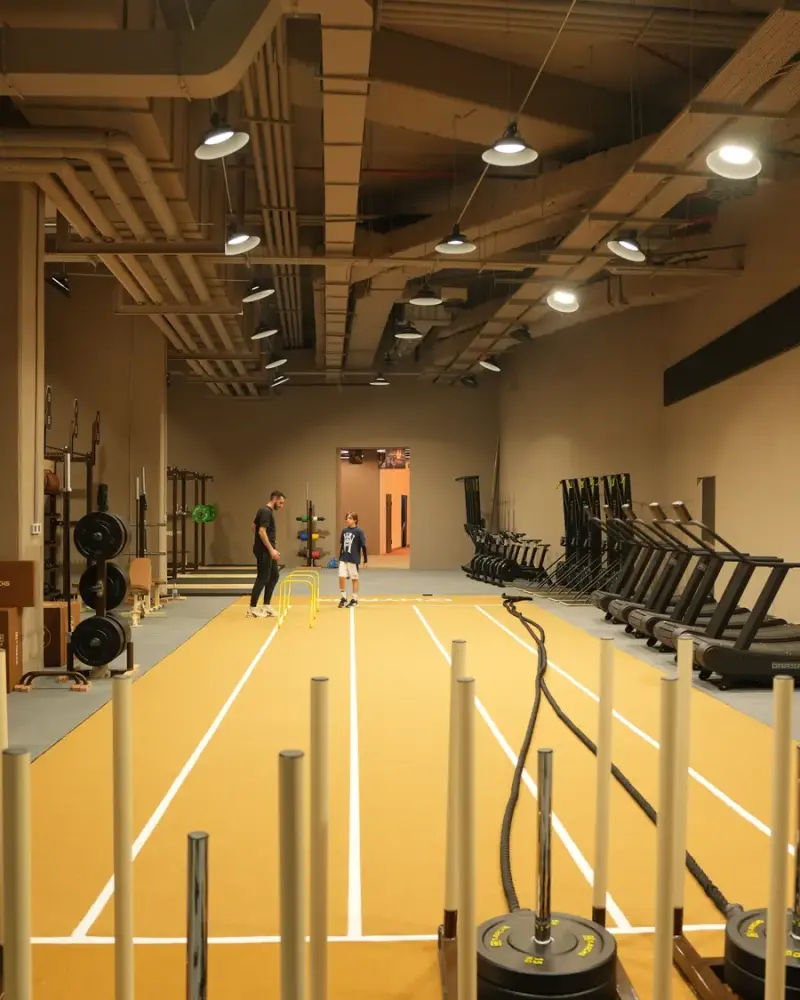
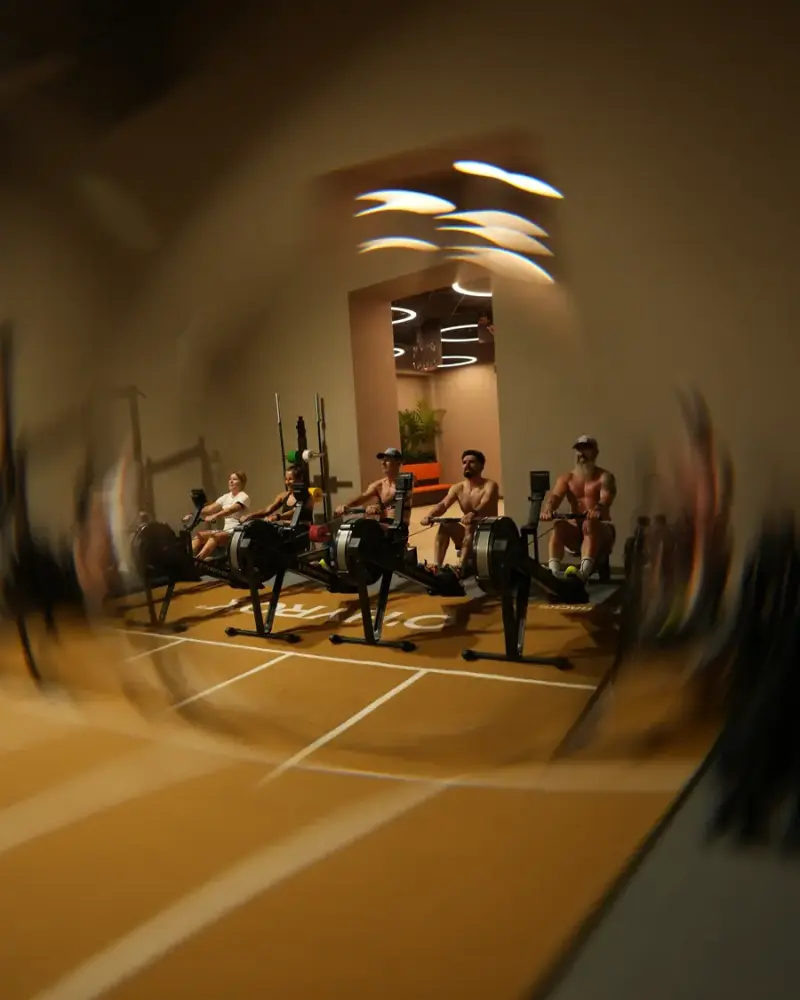
Relay handoff is a hidden item added to total time in the four-person team format, independent of individual performances. Each athlete completes a certain part of the race and then hands the task to a teammate. Every second lost in this transition shows directly in the team's total time. In this article we look at elements such as waiting in the exchange zone, entry speed and communication from an advanced perspective. Because the format and handoff rules may vary by organization, be sure to read the current race guide.
In relay, think of the handoff moment as a small race within the race. At each handoff the team has one of two situations: a ready, warmed-up and informed athlete, or a lack of these. A prepared team gains a hidden advantage over rival teams and stays calmer throughout the race. Most rivals focus on individual preparation and overlook handoffs; yet the seconds to be won there are the cheapest gains, requiring no extra training session.
Why does the handoff moment matter?
In relay, athletes race one after another, and at each handoff the next athlete is expected to be ready. An unready athlete keeps the team waiting, and that waiting moment can never be made up, because nobody is racing at that time. Although handoff moments look short within total race time, when three handoffs are done slowly in a row, the loss can reach tens of seconds.
The handoff moment also sets the team's psychological rhythm. A smooth, quick handoff gives the next athlete confidence and momentum. A confused handoff creates stress and leads to mistakes in the first minutes.
While waiting for your turn, an athlete has time to observe themselves, follow teammates' performance and mentally enter the floor. Instead of passing this time idly, it helps to visualize the movement pattern of the first station and calm your breathing rhythm. Too much excitement makes preparation backfire; deep, slow breaths balance it. Also, instead of sitting during the wait, it is important to stay on your feet and not let the muscles cool.
Preparing the incoming athlete
The task of an athlete waiting for their turn is to be warmed up, focused and ready for the floor. The components of preparation are:
- Warm-up: light mobility that keeps heart rate near race level as the handoff nears; avoid a cold entry.
- Equipment check: shoes, laces, watch and required items ready and in place.
- Venue knowledge: learning in advance where the exchange zone is and how to enter it.
- Mental focus: knowing which station to go to first and the pace of the first run.
Overdoing the warm-up means spending energy before the race. The aim is to be ready for racing at the handoff, not to be tired. Find this balance by experimenting in training.
After the handoff, giving your teammate short, positive feedback raises the next athlete's morale. For example, a word or two about how the run felt or the state of the floor can be useful to the incoming athlete. But long explanations lengthen the handoff; try to deliver this information before the handoff in a short sentence.
The outgoing athlete's finish
The last hundred meters of the athlete handing off also matter. Finishing too fast and arriving at the exchange zone exhausted lowers the quality of the handoff. One should arrive with a planned final push but without losing control at the handoff. Especially if an object transfer or a contact is required at the handoff, lack of attention at this stage leads to errors.
As soon as the handoff is completed, the athlete should step aside and recover their breath. Collapsing right away or blocking the area can disturb the following handoffs. Clearing the way for teammates is also part of team discipline.
The difficulty of the first station after the handoff sets the athlete's race pace. For a fresh athlete this station can feel easy and lead to overloading. Considering that in relay each athlete works two sections, spending too much energy in the first section spoils the second. So within the team everyone needs an energy distribution plan for their own two sections.
Entry speed and the first steps
The first steps of the incoming athlete set a tone for the rest of the race. Starting too fast is a common mistake because of the crowd and excitement. In relay each athlete works a shorter distance, so speeding up is tempting; but you still need a pace plan for the total time of your own section.
A practical approach is to start the first hundred meters slightly below race pace and reach target pace gradually. This both manages heart rate and settles rhythm. The same principle applies when approaching the first station: not fast but clean and controlled entry.
The exchange zone can be noisy and crowded. That is why visual cues are more useful than verbal commands: a colored piece of clothing, a specific hand movement or a fixed meeting point. A signal system you decide on together as a team prevents confusion during the race. Reviewing this system again the day before the race is a good habit.
Communication: signal and confirmation
At the handoff, there must be a clear signal system between teammates. Who is ready, who is waiting, who enters when? These questions should not be discussed during the race. A simple method is to assign an observer at the exchange zone; the non-racing teammate warns the athlete about to hand off in time.
All four team members should know the handoff rules in the same way. Who must be ready at what time, how the handoff object will be passed and which area to pass through should be settled in advance. The current format guide contains this information; read it together as a team.
When training as a team, remember that each member has a different speed and capacity. In handoff rehearsals, try changing the athletes' order and note which order flows better. This work improves not only the handoff moment but also the team's overall harmony.
Rehearsing the handoff in training
Rehearsing the handoff at race pace removes moments of hesitation on race day. Suggestions:
- Handoff simulation: a four-person team completes two or three stations in relay form at race pace.
- Timing: record each handoff moment and try to lower the average.
- Error scenarios: rehearse situations such as a late entry or dropped equipment.
If you train at O'Hybrid Sky in Sarıyer, plan team training with your coach. Before intense simulations, every team member should get a physician's view on their health.
In conclusion, the relay handoff is not an ordinary logistics topic but an invisible part of performance. A ready athlete, a clear signal and a calm entry can gain noticeable seconds in team time. No extra strength or speed is needed for these; only planning and repetition.
Holding a short team meeting on race morning is also helpful. The order, handoff locations, critical rules and everyone's job are repeated once more. This meeting should not exceed five minutes; the aim is not to give new information but to refresh the shared mental picture.
Check the equipment to be used at handoffs once more as a team before the race and plan a spare. A small shortfall can cause a big hesitation at the handoff. This check takes five minutes and gives the team confidence.
Frequently Asked Questions
Where is the most time lost at a handoff?
Usually from an unready athlete waiting and confusion in the exchange zone. Preparing in advance and clear signals reduce this loss.
How much should I warm up?
A non-tiring warm-up that slightly raises heart rate as the handoff nears is enough. Entering cold and overheating and tiring yourself both cause problems.
Do handoff rules change from race to race?
Yes, they can. Before every race, read the current format guide as a team and clear up any unclear points by asking officials at the race briefing.