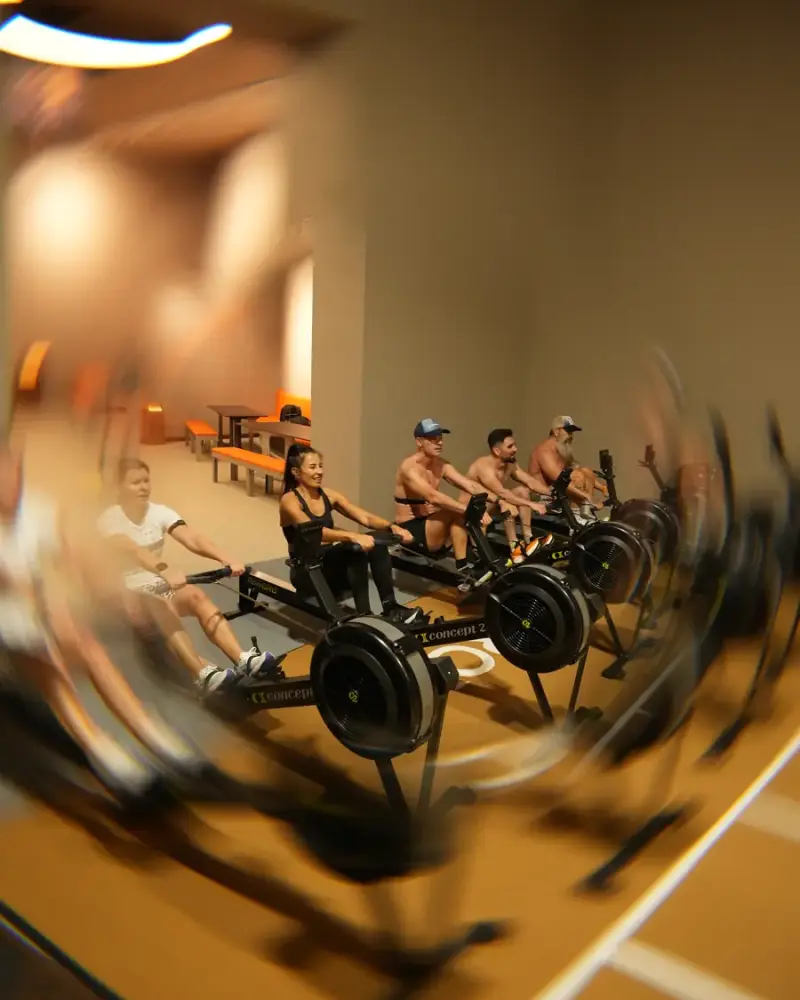
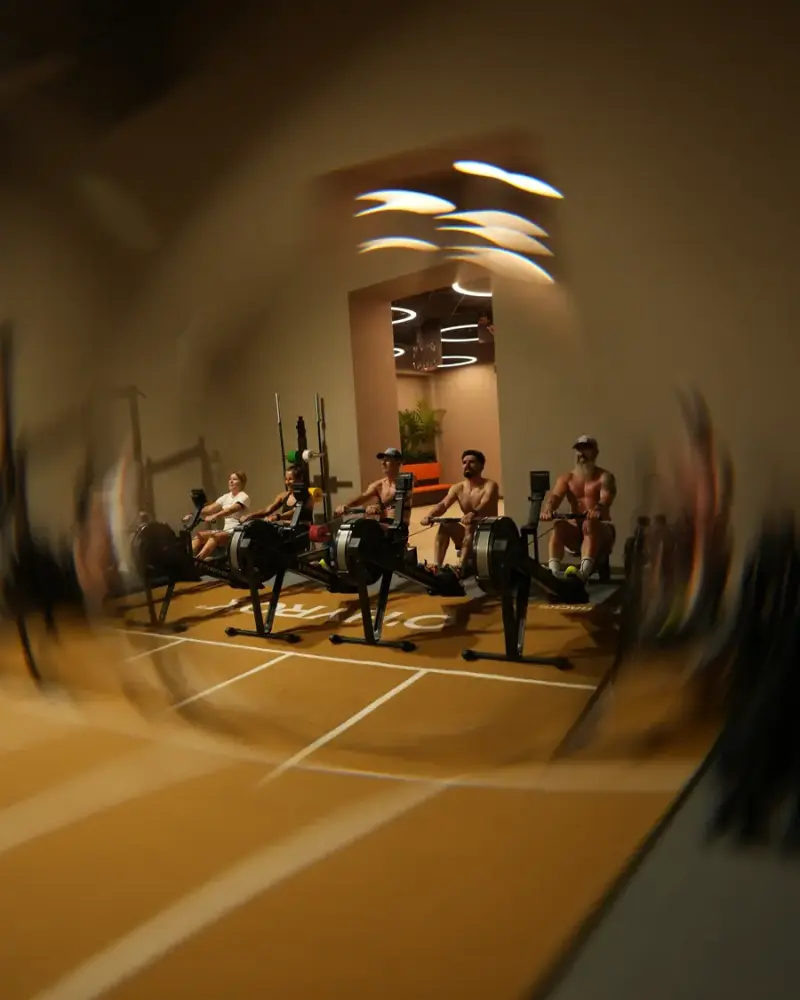
HYROX eldiven sorusu, yarışa hazırlanan sporcuların ekipman listesinde en çok tartışılan maddelerden biridir. Kimi sporcu halatı ve tutacakları çıplak elle daha iyi hissettiğini söyler, kimi ise eldiven olmadan sled pull’u düşünemez. Doğru cevap herkes için aynı değildir; ama karar, yarış günü sabahı içgüdüyle değil, haftalar süren denemelerle verilmelidir. Küçük bir ekipman tercihi gibi görünse de sonuç, iki istasyonun süresini ve yarışın ikinci yarısındaki rahatlığınızı etkileyebilir.
In this article we look at which stations gloves make a difference in, when they can make things harder, how to set up a testing plan and how to look after your hands whether or not you wear gloves. The aim is not to recommend a product but to offer a framework for making your own decision.
The stations where gloves make a difference
The sled pull sits at the center of the glove debate. The rope slides through the palm again and again, and the friction creates heat and irritation on the skin. For some athletes a thin glove reduces this friction and delays the burning feeling in the palm. Because the thickness and surface of the rope can vary from venue to venue, the consistency a glove provides gives some athletes confidence.
The farmers carry is a little different. The issue here is sustaining grip rather than friction. A thick or slippery glove adds an extra layer between the handle and the hand and can make it harder for the fingers to close. That can cause the forearms to tire earlier. On the other hand, with sweaty hands a thin, grippy glove can reduce slipping.
On the sled push, rowing, SkiErg and wall balls, the effect of gloves is generally more limited. On rowing and SkiErg handles, gloves protect some athletes' callus areas, but they can dull the feel of the grip. On wall balls, the glove surface can make the ball slip when catching; that is why many athletes prefer to take gloves off for this station.
The possible drawbacks of gloves
The biggest cost of gloves is that they are one more piece of equipment to manage throughout the race. If you plan to put them on for some stations and take them off for others, that takes time in the roxzone and can be harder than expected with tired hands. Where you will put the gloves, whether you will tuck them in a pocket or clip them to your waist, should also be thought through in advance.
The second drawback is loss of feel. Direct contact with the rope or handle lets you sense how strong your grip is and when it starts to loosen. A glove can reduce this feedback. Third, once the inside of the glove gets wet with sweat, the risk of slipping rises, and that can become noticeable in the second half of a long race.
Finally, an athlete who has never trained in gloves using them for the first time in a race can face a serious surprise. The grip angle, the way the rope travels through the hand and the way the fingers fatigue all change. So the basic equipment rule applies: do not try anything new on race day.
A testing plan to reach the right decision for you
The best way to base the decision on concrete evidence is to do the same work with and without gloves and compare. A simple plan over a few weeks is enough.
- Aynı mesafe, iki koşul: Bir seansta sled pull ya da farmers carry’yi çıplak elle, bir sonraki benzer seansta eldivenle yapın; mola sayısını ve el hissini not edin.
- Yorgunluk altında test: Denemeyi yalnızca dinç değil, birkaç kilometre koştuktan sonra da yapın; yarıştaki koşullar böyledir.
- Geçiş provası: Eldiveni takıp çıkarmayı ve saklamayı simülasyonlarda deneyin; ne kadar zaman aldığını gözlemleyin.
- Terli el testi: Sıcak bir günde ya da uzun bir seansın sonunda tutuşu kontrol edin; eldiven içinde kayma olup olmadığına bakın.
- Karar ve sabitleme: Yarıştan birkaç hafta önce kararınızı verin ve sonraki tüm simülasyonları aynı düzenle yapın.
In this process some athletes find a middle ground: they use a thin glove only for the sled pull and do every other station bare-handed. A hybrid solution like this is perfectly valid as long as it is rehearsed enough. Some of the athletes who run simulations at Hybrid Sky settle this decision with their coaches after a few trials.
Hand care with or without gloves
Hand health matters regardless of the glove decision. Calluses are protective to a degree, but when they thicken and their edges lift, the risk of tearing grows. Gently filing callus areas at regular intervals and keeping the skin moisturized help prevent the skin from opening up on heavy grip days.
Washing and drying your hands after training and clearing away chalk or sweat residue is also a simple but effective habit. If the skin has torn, postponing heavy grip work for a few days and keeping the wound clean is usually the most sensible path. If you notice redness, swelling or pain that does not go away, consult your physician.
Your hands need extra attention in the weeks close to the race. Overdoing heavy rope work or intense grip sessions in the last days raises the risk of arriving on race morning with an open wound. Keeping grip feel alive with short, controlled sessions is a safer approach for this period.
Carrying the decision into race day
Once the testing process is over, the decision you made should also show in how your race bag is packed. If you will wear gloves, it makes sense to carry at least one spare pair; a glove soaked with sweat during the warm-up or the early stations may not give the same grip by the time you reach the sled pull. Having used the spare pair in training before ensures you do not meet the stiffness or fit of a new glove in the middle of the race.
Where you will carry the gloves during the race should also be part of the plan. Some athletes tuck the gloves into the waistband of their shorts, others keep them at hand only for the relevant station. Whichever method you choose, there should be no risk of them falling out or getting lost while running. Doing this from start to finish in a simulation brings small problems to light ahead of time.
If you decided to race bare-handed, preparation is still needed. Checking the condition of your calluses in the final weeks, continuing short rope and carry sessions to keep grip feel, and making sure your hands are clean and dry on race morning cover what this path requires. The goal is the same with both options: not having to think about your hands on race day.
Frequently Asked Questions
Is it within the rules to wear gloves in HYROX?
Gloves are a piece of equipment athletes commonly use. Still, checking the current rulebook of the event you are entering before the race is the soundest way to remove any uncertainty about equipment. Because rules can be updated over time, you should look at the most recently published text instead of relying on last season's information; you can also ask the organizers about any point you are unsure of.
Which type of glove is more suitable?
In general, thin gloves that do not stop the fingers from closing and have a grippy palm surface are preferred. Thick, padded models reduce friction but can dull grip feel too much. The best approach is to try a few options in training. The glove not squeezing the wrist, not bunching in the palm when worn for a long time and keeping its shape after washing are also practical criteria to weigh in your choice.
What can I do if my hands sweat?
Using a towel in training, wiping the handles dry and testing grip work in different conditions all help. For any aids you might want to use in the race, you need to check the event's rules in advance. Building forearm endurance in training also helps indirectly, because a tired grip loosens faster on a sweaty surface.