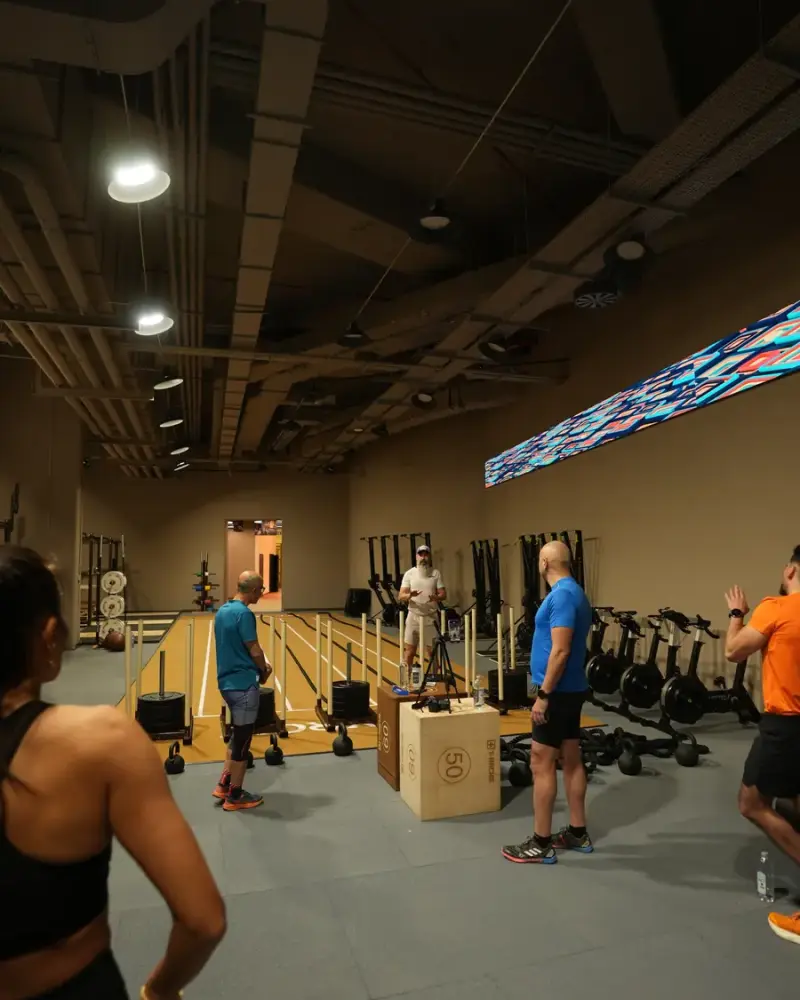
What to do when you miss training describes a dilemma almost everyone faces at some point. Work pressure, illness, travel or simply low motivation can interrupt a few sessions or a few weeks. What matters is not forcing yourself to make up the missed sessions but returning to the plan in the right way. The first thing we tell athletes at Hybrid Sky is this: one week off does not erase months of work. Below is a practical roadmap you can follow depending on your situation.
First, assess the length and the cause of the break
A break of three or five days and a break of three weeks are not handled the same way. In short breaks, fitness loss is very limited; you can usually resume where you left off, with the load slightly reduced. After longer breaks the load needs to be rebuilt gradually. If the cause was illness, that is a separate matter: after a feverish illness, instead of returning straight to high intensity, it is safer to start lightly once symptoms have fully passed and to consult a doctor if needed.
Do not try to make up the missed sessions
The most common mistake is to cram the missed sessions into the weekend. This puts the body under a pile-up of load it is not prepared for and raises injury risk. Missed sessions are missed; the plan continues from where you are. If your race date is close, re-ordering the programme’s priorities with your coach is far more effective than trying to catch up on everything.
A simple template for the return week
In the return week the goal is not to lift heavy but to find your rhythm again. You can adjust the template below according to the length of your break.
- First session: easy run and light loads at all stations, technique-focused
- Second session: strength and a short tempo at roughly 70 to 80 percent of your normal load
- Third session: back to the normal flow of the plan, with total volume slightly lower
Manage the mental side
A sense of guilt can develop after a break. The thought “everything has gone backwards” often does not reflect reality. Even if the first sessions after a short break feel hard, the feeling usually passes within a few sessions. Leave yourself a written note after the first session: which movement went well, which lagged behind. That note is valuable both for motivation and for rebuilding the plan.
Small safeguards to prevent interruptions
For busy weeks the idea of a “minimum session” works very well: on days when you cannot do the normal plan, even a twenty-minute short run or a single-station workout keeps the rhythm. If you are going to travel, ask your coach for a mini programme without equipment. Writing your training time into your calendar like a fixed meeting also improves consistency.
What to watch for when returning after illness
A mild cold and a feverish illness with body aches are not the same. In general, waiting at least a day or two after symptoms have fully passed and paying attention to a heart rate higher than usual in the first sessions is a good approach. If you feel chest pressure, unusual shortness of breath or palpitations, stop training and see a doctor. This article is a general guide and does not replace personal medical evaluation.
A flexible plan for travel and busy work weeks
Equipment-free sessions work better for HYROX preparation than you might expect. Walking lunges, push-ups, planks, short tempo runs and stair work that can be done in a hotel room or a park let you get through a trip without losing fitness entirely. After such a week, instead of blaming yourself, apply the return template.
In the long run, consistency matters more than the quality of any single session. Think of fifty-two weeks a year: a few interrupted weeks are a small part of the plan. What matters is building a structure that makes restarting easy after every break, such as a ready bag, a fixed session time and a training partner waiting for you.
What to ask your coach when rebuilding the plan
A short conversation with your coach after a break lets you realistically assess both the time lost and the preparation time remaining. Share how long you were away, whether you experienced pain or illness, and your race date. With this information the coach can re-order volume, intensity and priorities.
Sometimes the best decision is to postpone the target race to the next date. This is not a defeat; it gives the body a realistic preparation period. Starting a race with a body that is not ready spoils the experience and raises injury risk. When making such a decision, base it on long-term sustainability.
A sample view of the first two weeks after a break
The goal of week one is movement quality and easy pace; the goal of week two is to increase load gradually and re-establish the link between stations and running. During both weeks ask yourself three questions after each session: is there pain, how was sleep, do I want to come back tomorrow? If the answers are positive, keep progressing; if not, step the load back one notch.
Ways to keep going when motivation dips
Motivation is a fluctuating feeling; consistency is a system. On reluctant days focus on the first ten minutes: putting on your shoes and showing up is the hard part. By the time the warm-up ends, the desire often arrives. If it does not, shortening the session is still better than not training at all.
Setting small rewards for yourself also works: a new piece of clothing or a nice breakfast when you finish the fourth session. The real reward, though, is the confidence that comes over time: knowing that you can come back despite interruptions.
One last reminder: during a break you do not have to stay away from exercise completely. Short walks, light stretching and mobility work keep the body moving and preserve the mental link. These small movements make the return much easier.
Be patient when rebuilding the plan. Let us stress once more: in a twenty-week preparation a two-week gap, if managed properly, has a very small effect on the result. The bigger risk is rushing on return and getting injured. Start lightly, follow progress with data and respect your body’s signals.
To sum up: a break is not a mistake but a natural part of every athlete’s journey. What matters is making the return with a plan and a calm attitude rather than guilt. When your coach’s support, your training partners’ warmth and your own patience combine, a short break often remains just a comma.
One practical note: if possible, do the first session right after a break with a training partner or under your coach’s supervision. Both technically and morally this makes the return noticeably easier.
As the Hybrid Sky team in Skyland, we always welcome athletes returning after a break. To continue from where you left off, without pressure, just talk to our coaches.