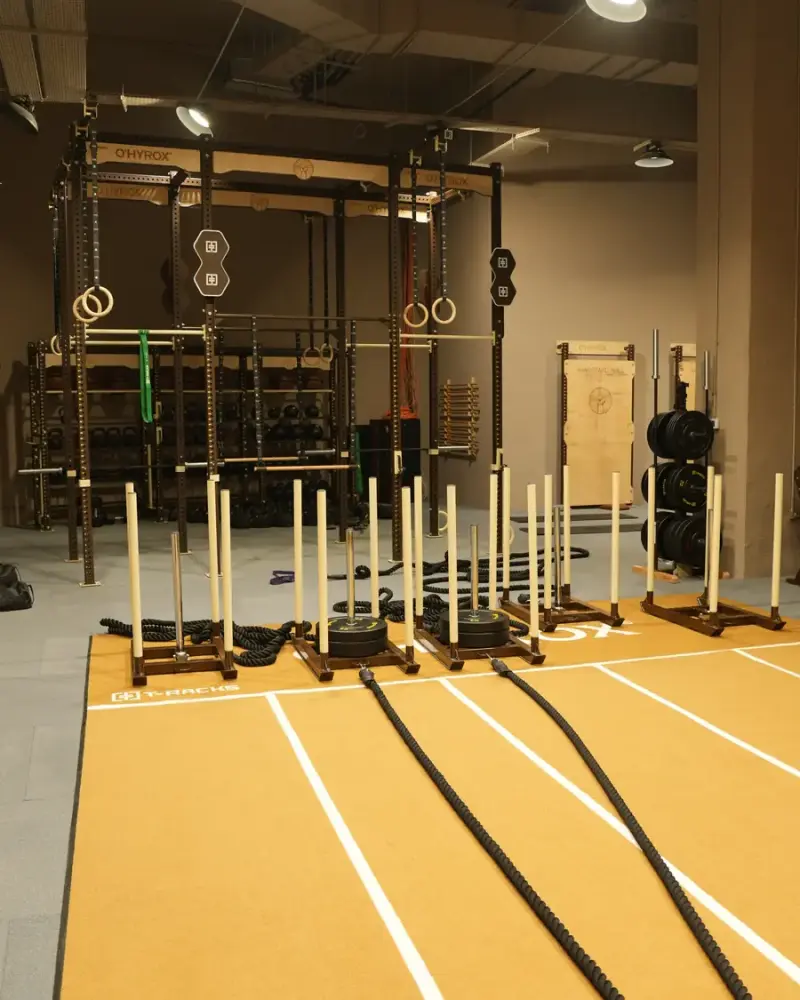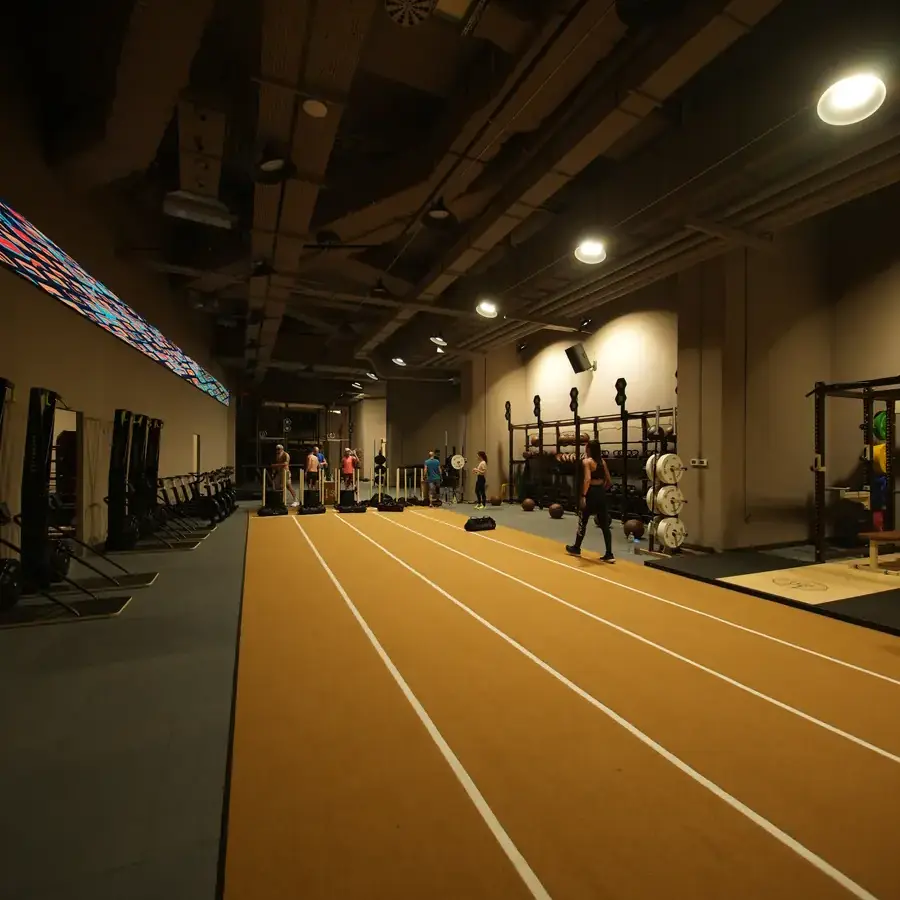
The autumn training routine is one of the most productive periods of the year for HYROX athletes in Istanbul. The summer heat is behind us, humidity drops, running becomes more pleasant and a window of a few months opens up to prepare for winter races. At Hybrid Sky in Skyland we see athletes each year setting new goals at this time of year and putting the race calendar in front of them. In this article we explain how to make the most of autumn, how to build the weekly plan and how to adapt to weather changes. Our aim is to help you start the season not in a rush but on a solid foundation.
Why is autumn a season start?
In the summer months training is often interrupted by holidays, heat and an irregular schedule. Autumn, with schools opening, the pace of work increasing and the daily routine settling again, offers a natural opportunity to build order. The body also works more easily in cool weather; heart rate is lower and recovery is faster. These are the best conditions for the start of a new base period.
It is also an ideal time to review the previous season. Which station lagged behind, at which running distance did you struggle, in which period did you experience injury or fatigue? The answers to these questions determine the priorities of the new season.
The first four weeks: the restart block
For those returning to regular training after summer, the first four weeks are a period of continuity rather than intensity. Three or four sessions a week, easy-paced running, strength with medium loads and technique-oriented station work are enough. The aim in this period is to get the body back into the training rhythm and build a pain-free, consistent weekly structure.
- Two easy runs and one light tempo run per week
- Two strength sessions: squat, deadlift, pulling and pushing movements
- One station technique session: ski erg, row, sled and wall ball
- At least one full rest day each week
The next four weeks: load and pace
Once the foundation is settled, it is time to raise the load gradually. Tempo runs get longer, weights in strength sessions rise in small steps and stations approach race load. At the end of this block, doing a small level test is very valuable to see your preparation level. For example eight-hundred-metre repeat runs and one-thousand-metre row and ski erg times are good indicators.
Autumn’s rapid weather changes require you to be careful when increasing intensity. On suddenly cold days extend the warm-up; make sure to prepare the leg and shoulder regions.
Adapting to weather changes
Autumn in Istanbul is a period of rain, wind and sudden temperature changes. On days when you plan to run outdoors, checking the weather and dressing in layers protects both comfort and health. On rainy days moving the run session indoors or putting the tempo run on the treadmill lets you continue the plan without breaking rhythm. Also, in cold weather those with throat or lung complaints should be careful and talk to a doctor if necessary.
The earlier sunset also brings up the issue of visibility for evening training. If you run outdoors, using reflective clothing and lights improves your safety.
Nutrition and sleep: autumn adjustments
As the weather cools, sweating decreases but fluid needs continue; because thirst diminishes, it is easy to forget to drink. Make regular water intake a habit on training days. Seasonal fruit and vegetables are a lovely way to diversify nutrition: apples, pomegranates, pumpkin, spinach, leeks and legumes are strong autumn options.
The shortening of daylight can affect sleep patterns. Fixing bedtime, reducing screen time in the evening and keeping the room cool are simple but powerful steps for recovery. If your sleep is disrupted, lowering training intensity is the most practical way to protect performance.
Race calendar and goal setting
Autumn is the right time to choose a new target race. Set a race date and, counting backwards, place the base, development, specific preparation and taper periods. If about twenty weeks remain before the target race, the first eight weeks can be planned as base, the next eight as development, and the last four as specific preparation and taper. This is just an example; adapt it with your coach to your personal situation.
Points to note in autumn running
Falling leaves and rain make paths and pavements slippery. Holes under wet leaves and slippery ground can cause ankle sprains. In this season shortening your stride slightly and keeping your feet closer to the ground increases safety. On easy run days, preferring flat ground to trails is also a reasonable precaution.
The cooling of the weather gives a sense of fitness rapidly recovering after a hot summer. The urge to raise volume too quickly in this period is natural but risky; keep the load increase gradual.
Community and season opening
One of the best sides of the new season is working in the same environment with athletes who have different goals. Newcomers meet athletes with race experience; those who will race for the first time take courage from the stories of experienced members. Counting for each other and keeping tempo in group sessions keeps motivation alive in the shortening days of autumn.
When you set a target race, share it with those around you. Saying the goal out loud increases commitment and brings forward people who will support you.
Season-start checklist
If you take care of a few practical things at the start of the new season, the following months go much more smoothly. The list below is a short guide to preparation.
- Check your running shoes for wear and replace them if needed.
- Set the target race date and write it in your calendar.
- See a doctor for a check-up if needed for your general health.
- Fix your weekly training days and times.
In conclusion, autumn is the season for balancing ambition and patience. The athlete who builds a solid foundation in the first weeks of the new season raises the load comfortably in winter months and enters the spring races with a fresh body.
Mobility and flexibility in autumn
As the weather gets cooler, muscles feel stiffer and injury risk may rise. So in autumn, extending the warm-up by five or ten minutes and regularly placing mobility work in the weekly plan makes sense. Hip, ankle and shoulder mobility determine the quality of both running and station movements. A twenty-minute mobility session two or three times a week lets you move more comfortably throughout winter.
Yoga, pilates or a light stretching routine can be a good complement on recovery days. What matters is that the movement is pain-free, controlled and done regularly.
Keeping motivation alive in autumn
When days shorten and it starts to get dark, motivation may drop. Setting short-term goals works well in this period: a four-week running volume goal, getting down to a certain time at a station, or regular session attendance. Making small celebrations when goals are reached makes progress tangible and strengthens consistency.
Making a weekly agreement with training partners is also effective. Being able to hold each other accountable makes it easier to go to the gym on a dark and cold evening. The greatest advantage of training in a community is exactly this.
As the Hybrid Sky team in Skyland we welcome everyone who wants to set up a new season in autumn. Share your goal with us and let us write the plan together.