Merdiven antrenmanı, yokuşu ve kuvvet çalışmasını tek bir harekette birleştiren en eski kondisyon yöntemlerinden biridir. İstanbul gibi tepeler üzerine kurulmuş bir şehirde basamaklı sokaklar, parklardaki merdivenler ve apartman boşlukları neredeyse her mahallede bulunur. HYROX’a hazırlanan bir sporcu için bu basamaklar, bacak gücünü, nabız kontrolünü ve yorgunken adım atabilme becerisini aynı anda geliştiren ücretsiz bir alan sunar.
Stairs, however, carry different risks from a flat running path. Step height can vary, the surface can be wet, and the load on the knees going down is more demanding than going up. In this article we cover how stair training contributes to HYROX, how to build a safe session, the technical points and what to watch for in city conditions.
How stairs contribute to HYROX
Climbing steps requires lifting your body weight upward on one leg with every step. This works the hip and thigh muscles used in sandbag lunges and the sled push intensely. It also raises heart rate quickly; even a short stair climb can create a cardiovascular effect similar to several minutes of running on the flat.
Another benefit of stairs is that they demand rhythm and focus. Landing correctly on every step requires attention, and that teaches you to hold coordination under fatigue. That is exactly what is needed in the late stages of HYROX, when the legs grow heavy moving from lunges to wall balls: tired but controlled steps.
Finally, stairs are a practical option for those short on time. A flight of steps reachable within a few minutes of leaving home makes a short but effective session possible. On a weekday when you cannot get to the gym, it can stand in for a running or conditioning block in your program.
How to build a safe stair session
Before starting the session, it is a good habit to get to know the stairs you will use by walking them. Check whether the steps are even, whether there are broken or loose stones and whether the lighting is adequate. Wet or mossy steps carry a risk of slipping, especially on the way down; on rainy days places like these should be avoided.
Warming up matters more in stair work than in flat running, because the hips and ankles work through a wider range. A few minutes of easy jogging or brisk walking, followed by hip openers and ankle mobility, prepares the tissues. The first few climbs should be done at a calm walk, with pace rising only once the legs are warm.
The main rule in structuring the session is to use the climb as work and the descent as rest. Running down puts unnecessary load on the knees and calves and increases the risk of falling. Walking down the steps, holding the handrail if needed, is both safe and provides a natural period of active rest.
Sample session formats
The formats below serve different purposes. You should set the number of repeats and durations according to the length of the stairs and your own level.
- Tempolu tırmanış: Her basamağa basarak sabit ve konuşmanın zorlaştığı bir tempoda çıkış, yürüyerek iniş; aerobik güç için.
- Çift basamak: Basamakları ikişer ikişer güçlü adımlarla çıkmak; kalça itişi ve lunge benzeri kas kullanımı için.
- Merdiven ve istasyon: Her çıkışın sonunda düz bir alanda squat, şınav ya da burpee benzeri kısa bir blok; yarış geçişlerini taklit eder.
- Yükle yürüyüş: Sırt çantasına güvenli şekilde yerleştirilmiş hafif bir yükle sakin tırmanış; sandbag lunge için bacak dayanıklılığı.
- Uzun ve sakin tırmanış: Uzun bir merdiven dizisinde kesintisiz ama yavaş bir tempo; kolay gün aerobik çalışması.
Choosing one of these formats per week is enough for most athletes. Because a stair session is intense leg work, leaving at least a day between it and any heavy lunge or squat sessions that week makes recovery easier. In the loaded walk format, it is especially important that the load stays fixed on the back and does not swing.
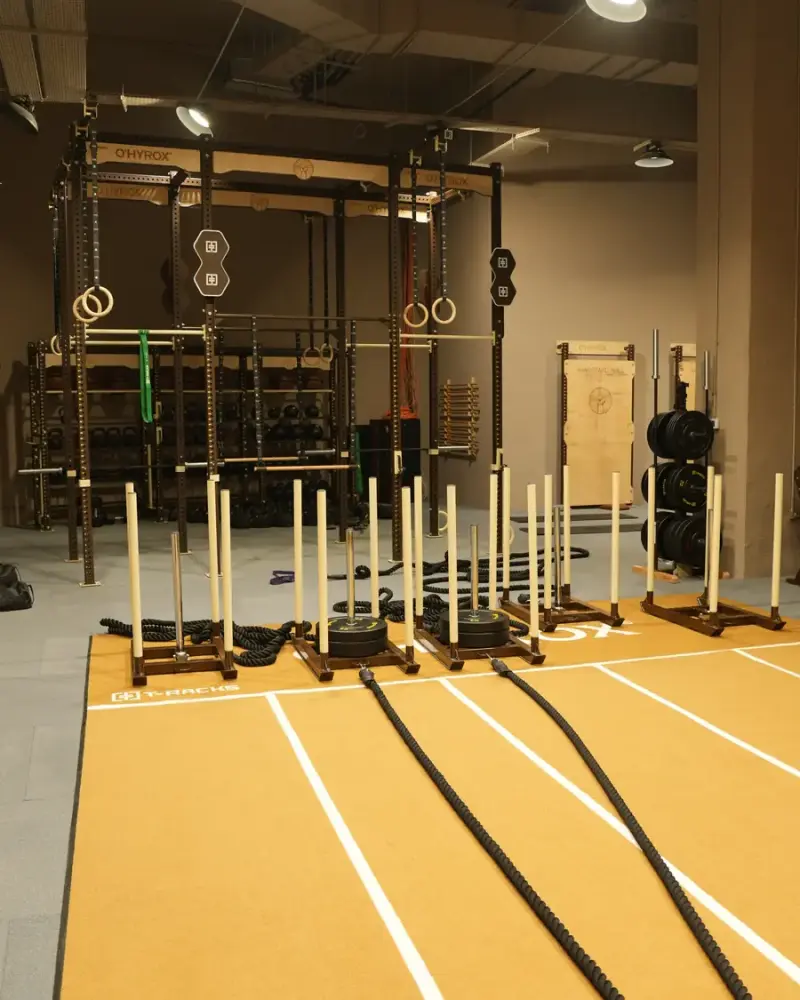
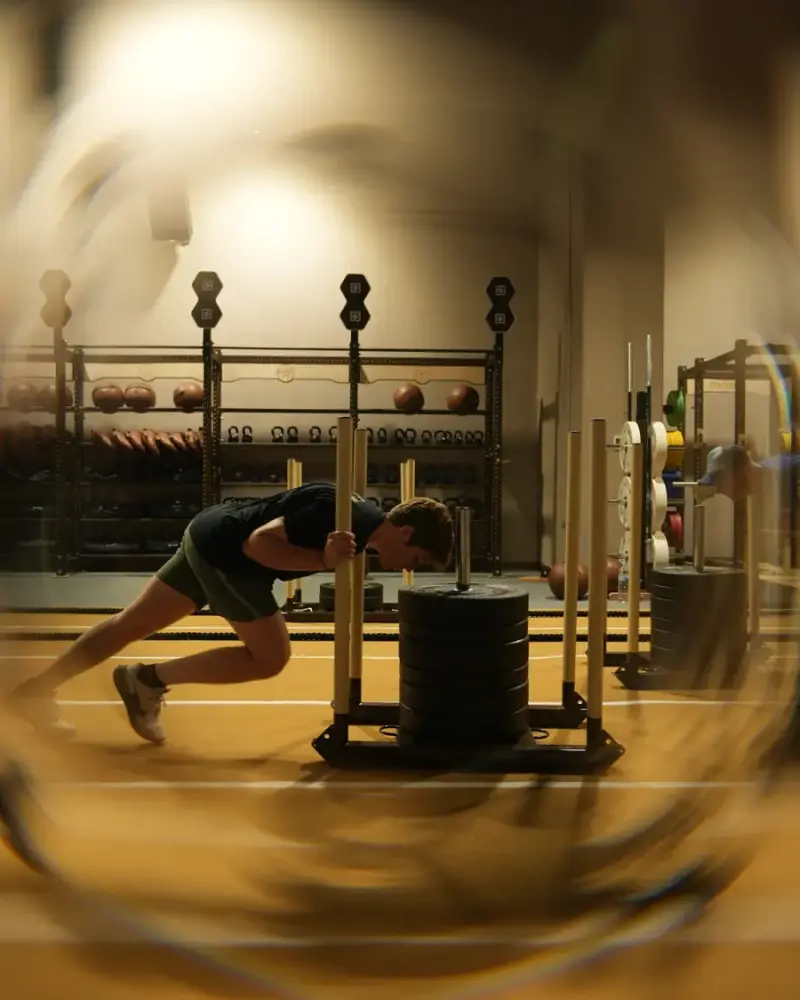
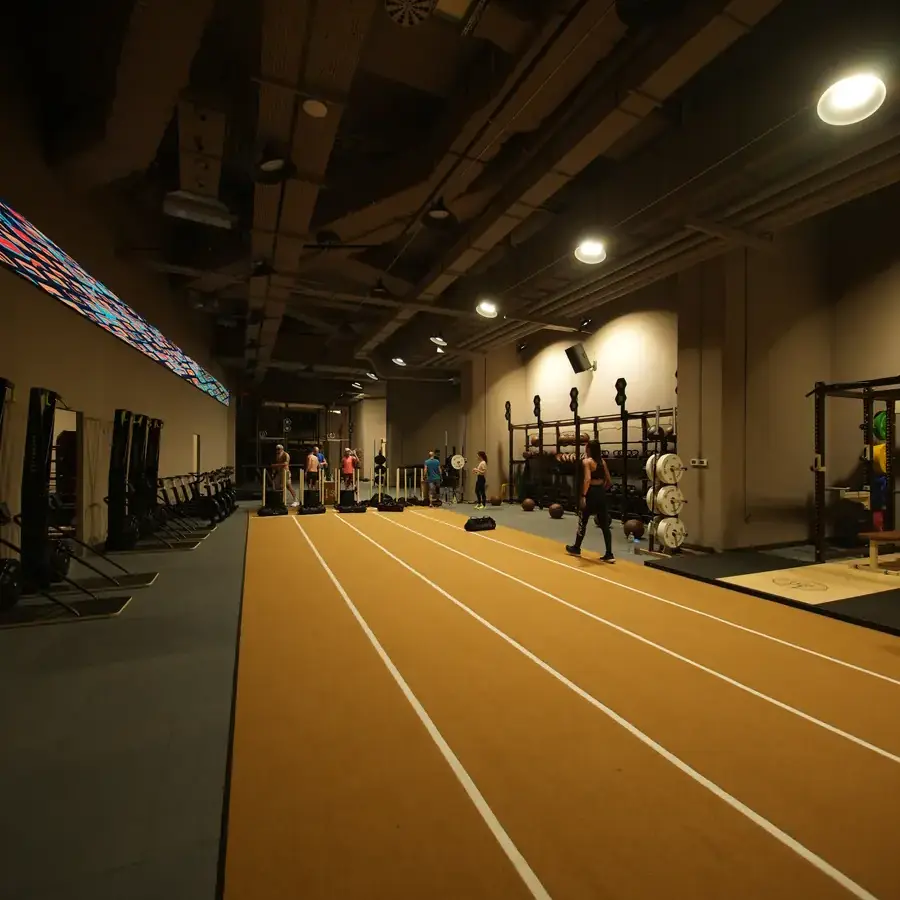
It is also possible to balance stair work with gym training. An athlete who attends station and strength sessions at Hybrid Sky during the week can add variety to their program with a short tempo climb on stairs near home at the weekend. That brings a different stimulus and takes training outdoors.
Technical points
On the way up, leaning the torso slightly forward and putting your weight over the front foot makes it easier to engage the hips. Placing the whole foot on the step rather than letting the heels hang off prevents the calves from being overloaded. A rhythmic arm swing supports stepping rhythm, especially on tempo climbs.
Keeping the knees from caving inward is another point to watch. As fatigue increases, the knee can drift inward from the direction of the toes. When you notice this, slowing the pace and focusing on keeping the knee in line with the second and third toes makes the movement safer.
Breathing is part of technique too. Instead of holding your breath on the climb, establishing a steady breathing rhythm in sync with your steps keeps heart rate from rising out of control. On the way down, preparing for the next climb with deep, calm breaths preserves the quality of the session.
Things to watch for in the city
Stairs are often shared spaces. During busy hours you need to avoid disturbing pedestrians, keep the path clear and, especially in apartment stairwells, respect your neighbors' comfort. Taking care not to make noise early in the morning or late in the evening is part of using this space sustainably.
Weather affects the plan too. In Istanbul, rain and humidity can make steps slippery; on such days an indoor stairwell or gym training is a safer choice. If you are training in the dark, wearing reflective clothing and choosing a well-lit route matters. If you have ongoing knee or hip pain, consult your physician before starting stair work.
Progressing stair work over time
In the first weeks the aim is for the tissues to adapt to the new load stairs bring. A small number of climbs, a calm pace and long descents are enough during this period. Feeling mild fatigue in the hips, thighs and calves the next day is normal; but if there is clear pain or a limp, the load was too much. In that case repeating the next session at the same level is wiser than rushing progress. As the tissues adapt, increasing the number of climbs becomes the natural next step.
At the next stage you can consider raising the pace or combining formats. For example, adding a short station block after a tempo climb, or alternating double-step and single-step climbs in the same session, brings the work closer to the variable nature of the race. Still, changing only one element at a time and watching how the body responds for a few days after each change is the most reliable way to progress without injury. In the final weeks before the race, stair volume should be reduced so the legs can freshen up.
Frequently Asked Questions
Is stair training bad for the knees?
Climbing is generally well tolerated by the knees; the main load comes on the way down. Walking down under control, increasing volume gradually and paying attention to technique reduce the risk. If you have an existing knee problem, you should consult your physician first.
Can stair training replace a running session?
It can be a good alternative for conditioning and leg power, but it does not develop running rhythm or technique. Swapping one of the weekly runs for stairs from time to time is fine; turning every run into stairs would weaken preparation for HYROX's eight kilometers of running.
How long do the stairs need to be?
On short stairs you do more repeats, on long stairs fewer. What matters is that each climb takes you to a certain effort level and the descent lasts long enough to recover. Even an apartment stairwell a few floors high is a good start.